How Cantonal Licensing Variations Shape Progressive Jackpot Mechanics Across Swiss Mobile Platforms
Bianca Foster · Sep 29, 2026
How Cantonal Licensing Variations Shape Progressive Jackpot Mechanics Across Swiss Mobile Platforms
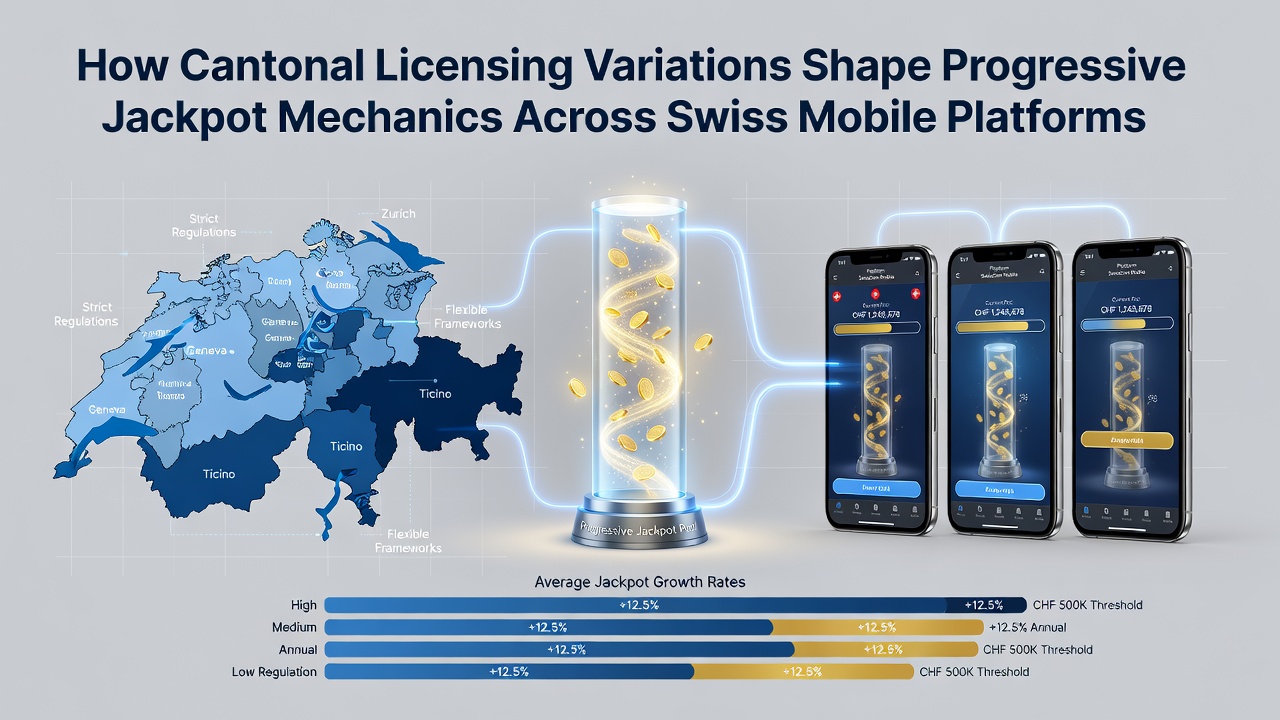
Swiss mobile platforms operate under a patchwork of cantonal rules that directly influence how progressive jackpot systems pool funds, trigger payouts, and distribute winnings across user bases. Data from the Swiss Federal Office of Justice shows that each of the 26 cantons applies its own licensing criteria to operator activities, which in turn dictates whether a jackpot can accumulate contributions from players in multiple regions or must remain isolated to a single canton.
Federal Framework Meets Cantonal Authority
Switzerland's 2019 Gambling Act established federal oversight for online casinos, yet cantons retain power to approve or restrict specific game mechanics within their borders. This division creates distinct operational environments where progressive jackpots must comply with varying contribution rates, maximum pool sizes, and cross-border pooling permissions. Operators adjust their mobile applications accordingly, often segmenting jackpot networks by canton to meet local requirements.
Mechanics of Progressive Jackpots Under Varying Licenses
Progressive systems collect a percentage of each wager into a shared pool that grows until a player hits the winning combination. In cantons with stricter payout caps, platforms cap individual jackpot contributions at lower thresholds, which slows pool growth and changes player expectations on mobile devices. Other cantons permit higher contribution percentages, allowing faster accumulation, but they impose additional reporting obligations that affect how operators display real-time jackpot values in their apps.
Observers note that mobile platforms frequently maintain separate jackpot ledgers for different cantonal licenses. This separation prevents a single pool from violating any region's rules on maximum liability or player eligibility. When a jackpot triggers, the payout process routes through the specific canton's licensed entity, which handles verification and tax withholding according to local statutes.
Mobile Platform Adaptations Across Regions
Developers build geo-fencing into Swiss mobile slot applications to enforce these cantonal boundaries. Users in one canton might access a rapidly growing progressive pool while users in an adjacent canton see a slower or entirely separate jackpot. This technical approach ensures compliance yet creates noticeable differences in gameplay experience depending on the user's registered location.
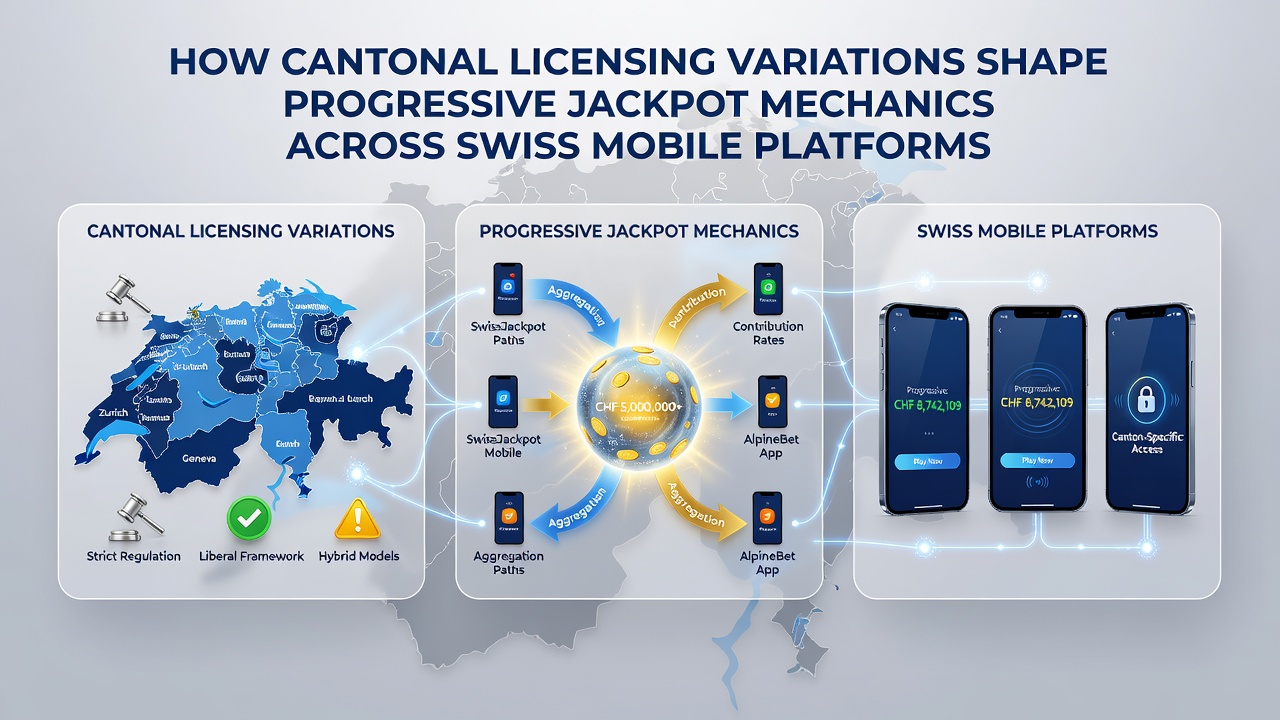
Research indicates that several major platforms introduced canton-specific jackpot modules in 2025 to streamline updates when licensing terms change. These modules allow operators to toggle contribution rates and visibility settings without rebuilding the entire application. Players encounter these adjustments through updated terms displayed at login, though the underlying mechanics remain invisible to most users.
Data Patterns and Regional Differences
Figures from industry reports reveal that cantons with higher tourism volumes tend to authorize larger progressive pools to attract international mobile users. In contrast, more conservative cantons maintain tighter controls that limit pool sizes and require frequent audits of jackpot software. This variation produces measurable differences in average jackpot sizes across platforms, with some regions consistently showing pools that exceed others by substantial margins.
One study from a European gaming research consortium found that platforms serving multiple cantons allocate separate server resources to manage distinct jackpot ledgers. The approach reduces the risk of regulatory conflicts while maintaining smooth performance on mobile networks. Operators also schedule periodic reviews of these systems, especially ahead of anticipated regulatory shifts scheduled for September 2026.
September 2026 Regulatory Outlook
Industry sources expect cantonal licensing boards to introduce updated guidelines on jackpot transparency and cross-canton data sharing beginning in September 2026. These changes may require platforms to publish detailed contribution breakdowns for each licensed region, which could influence how progressive mechanics are presented to mobile users. Operators are already preparing modular code updates to accommodate the new reporting standards without disrupting ongoing jackpot accumulations.
Conclusion
Cantonal licensing variations continue to define the operational boundaries of progressive jackpot systems on Swiss mobile platforms. Operators navigate these differences through segmented pooling, geo-specific software modules, and ongoing compliance adjustments that keep gameplay aligned with local rules. The structure ensures that jackpot mechanics remain functional across Switzerland's diverse regulatory landscape while meeting the distinct requirements of each canton.